Menu

MBBS
in Georgia

ADMISSION ENQUIRY

Take the first step to study MBBS in Georgia.

Get programme details, eligibility guidance, and the next intake timeline from our admissions team

image

Fill in the Form Below to
Get Expert Guidance

Contact Form

Your information is secure and will only be used to process your enquiry

ABOUT US

Introduction

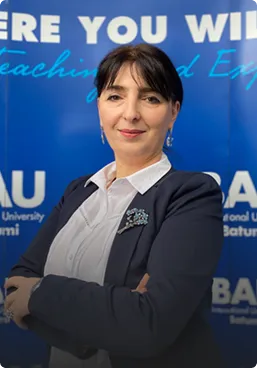
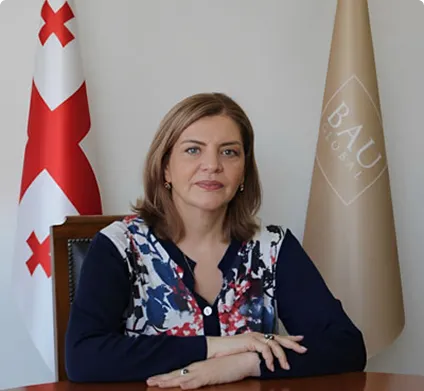
leila

Leila Akhvlediani

Professor, Head of Medicine Program

Bau International University Batumi’s Second Degree Undergraduate Medical Education Program (“Medicine”) is in line with the World Medical Education (WFME) Global Standard for Quality Improvement (Basic Medical Education. WFME Global Standards for Quality Improvement. The 2020 Revision) and Provides up-to-date requirements for the national sectoral character of higher medical education. In addition, the WFME distance learning standard in medical education (Standards for distributed and distance learning in medical education. 2021) and the medicine program of Istanbul BahçeÅŸehir University in Turkey, which is a partner institution of BAU International University Batumi, were taken into account during the update.

Outcomes for graduates is a map of the results of the Bau Batumi International University undergraduate medical education program. Adaptation of learning outcomes and current competencies developed by the General Medical Council 2018 (updated 2020) to the Georgian educational space, taking into account the National Qualifications Framework, the updated requirements of the National Sectoral Characteristic of Medical Education, and the learning outcomes of Bahçehir University.

BAU International university Batumi, aims to develop the field of healthcare based on good international practice by training competitively graduated alumni in the field of medicine, which is directly in line with the University’s mission.

OVERVIEW

Program Overview

Program Name:

MBBS (Bachelor of Medicine and Bachelor of Surgery)

Qualification:

Medical Doctor (MD equivalent to MBBS)

Educational unit:

School of Medicine / Faculty of Health Sciences

Programme Type:

One-level undergraduate medical education programme aligned with the European Qualifications Framework (EQF Level 7)

Language of Instruction:

English

Program Duration:

6 academic years (including clinical training)

Program Capacity:

Approx. 10,800 academic hours (Includes classroom instruction, laboratory work, simulation training, and clinical rotations)

Independent Work:

Approx. 3,900 hours

Elective Courses:

Approx. 120 hours

Recognition

Authorized on the basis of the decision N689586 of July 8, 2021 of the Higher Education Institutions Authorization Council of the National Center for Educational Quality Enhancement of LEPL. Accredited on the basis of the decision N58 of March 27, 2020 of the Accreditation Council of Higher Education Institutions of the National Center for Quality Development in Education LEPL

Program Goals & Objectives

This medical education program is designed to train highly skilled physicians who meet both national and international standards. Students gain a strong foundation in theoretical knowledge, evidence-based science, and hands-on clinical skills while developing ethical values and a commitment to lifelong learning.

The program equips future doctors to communicate effectively with patients, families, and colleagues while fostering clinical reasoning and critical thinking. Students also gain an understanding of public health responsibilities at local, regional, and international levels, promoting accountability and confidence in their professional practice.

Through structured practical training and exposure to modern teaching methods, students acquire research skills, clinical experience, and problem-solving abilities. The curriculum emphasizes continuous professional and ethical development, preparing graduates to become competent, empathetic, and adaptable physicians ready for the evolving demands of global healthcare.

Description

Program Description (MBBS in Georgia)

The MBBS programme in Georgia is designed as an integrated medical education pathway that combines core biomedical sciences with early and progressive clinical training. The programme follows internationally aligned medical education standards and is delivered through a structured blend of theoretical teaching, laboratory learning, simulation-based practice, and hospital-based clinical exposure.

The curriculum is organised by organ systems and clinical relevance, helping students connect basic science concepts with real patient scenarios. Learning progresses from foundational subjects to advanced clinical disciplines, with each semester building on the previous one through carefully planned prerequisites. This ensures students develop strong medical understanding step-by-step, rather than studying topics in isolation. Clinical training is introduced early and increases steadily as students move through the programme. Students gain experience in history taking, patient interaction, diagnostics, and clinical reasoning under supervision in affiliated hospitals. Teaching includes interactive lectures, small-group sessions, practical labs, case discussions, and competency-based assessments.

The programme places strong emphasis on developing professional competencies, including ethical practice, communication skills, teamwork, critical thinking, and decision-making. By graduation, students are equipped with the academic knowledge and clinical confidence needed for medical licensing examinations and further training pathways, subject to the regulations of the country where they wish to practise.

Biomedical Component

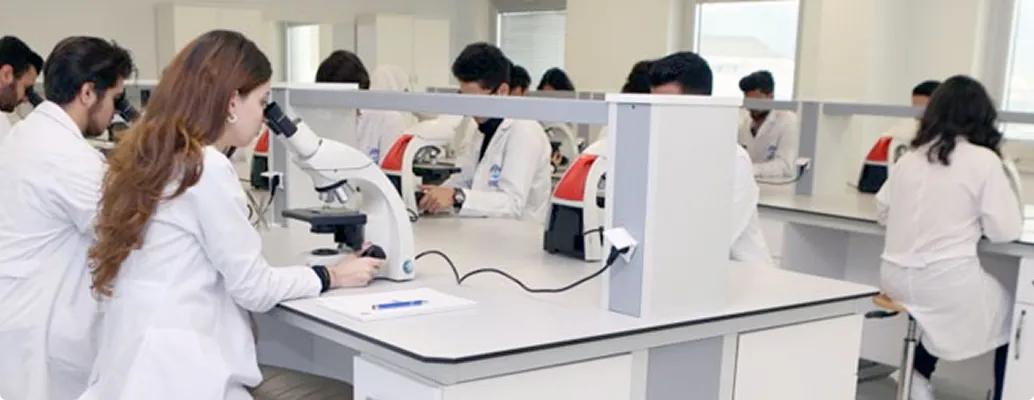
The biomedical component forms the foundation of the MBBS programme and is primarily covered in the early academic years. It includes essential medical science subjects such as anatomy, physiology, biochemistry, pathology, microbiology, pharmacology, radiology basics, and clinical skills training. These subjects are taught in an integrated manner and aligned with organ systems so students can understand how the human body functions in health and disease. Practical learning takes place through anatomy labs, microscope-based learning, laboratory experiments, simulation sessions, and structured case-based discussions—an approach ideal for students planning to study MBBS in Georgia.

From the second year onwards, students begin linking biomedical knowledge with disease processes through pathology and microbiology-based learning supported by clinical correlations. As students progress into later years, the focus gradually shifts towards clinical disciplines, where biomedical concepts remain embedded into clinical decision-making and diagnostics. This approach ensures students do not just memorise concepts but learn to apply biomedical science in real clinical settings, building a stronger base for clinical rotations and future medical practice while pursuing MBBS in Georgia.

Communication Skills

Communication skills are an essential part of medical education and are integrated throughout the MBBS programme in Georgia. From the first academic year, students are introduced to structured communication training through foundational courses that focus on medical communication, ethics, and professional behaviour. These modules help students develop effective verbal and written communication skills required to interact with patients, peers, and healthcare professionals—an important requirement when you study MBBS in Georgia.

During the initial years, learning is supported through role-playing exercises, simulated patient interactions, case discussions, and academic writing tasks. Students learn how to communicate clearly and work collaboratively within a medical team. These activities are designed to strengthen interpersonal and behavioural communication skills early in the MBBS in Georgia curriculum.

From the third year onwards, communication training becomes more clinically focused as students enter hospital rotations. They are trained in patient history taking, doctor-patient interaction, informed consent, and breaking sensitive information under supervision in real clinical settings. These skills are developed alongside clinical instruction, ensuring students gain confidence in patient care and decision-making.

Their communication abilities are continuously evaluated through regular patient interaction, case presentations, and clinical assessments. This progressive training ensures graduates are confident, compassionate, and effective medical professionals, well prepared for clinical practice after completing an MBBS in Georgia.

skills

Teaching & Simulation Enviroment

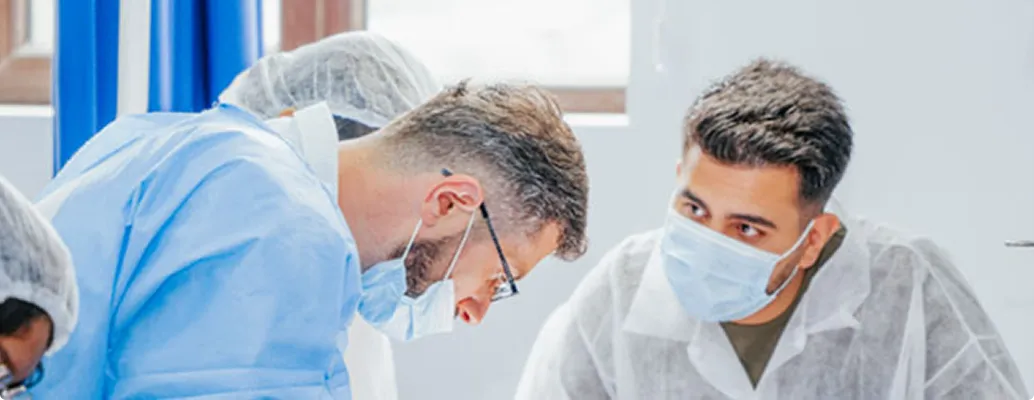
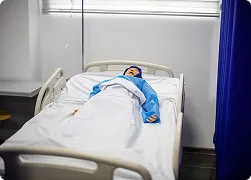
Simulation-based teaching is a core part of the MBBS programme in Georgia and begins early in the first year. Students develop essential clinical and practical skills in a safe, supervised setting before working with real patients. Training takes place in dedicated clinical skills and simulation centres using anatomical models, medical manikins, and scenario-based simulations. From the initial semesters, students practise core skills such as basic examination techniques, vital sign assessment, communication in clinical settings, and structured patient evaluation. As the programme progresses, simulation sessions become more advanced and include emergency response drills, procedural training, and OSCE-style practice, helping students build confidence and accuracy.

By the clinical years, simulation supports hospital learning by strengthening clinical decision-making, teamwork, and patient safety. This structured approach prepares students to enter clinical rotations with stronger competence, ensuring they can perform key skills responsibly under clinical supervision.

Clinical Teaching

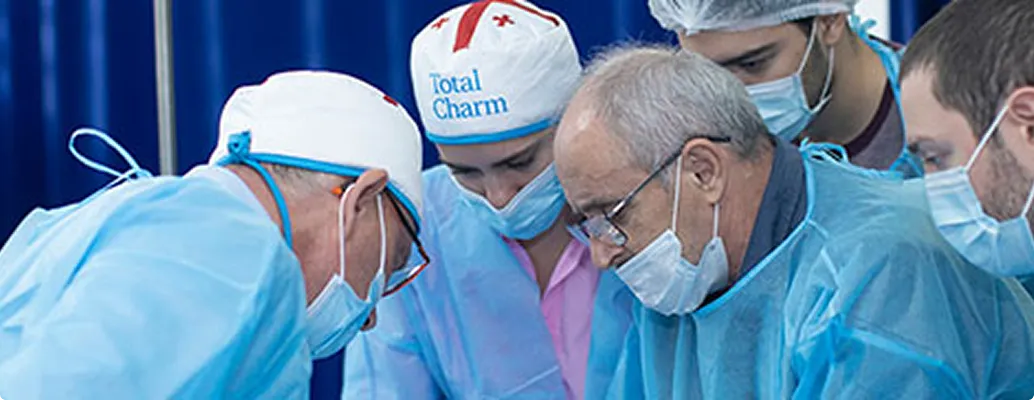
Clinical teaching is a continuous and integral part of the MBBS programme in Georgia and begins from the early stages of medical training. Clinical exposure is gradually introduced alongside theoretical learning, allowing students to become familiar with hospital environments, medical teams, and patient care settings from the initial semesters. Clinical competencies are developed progressively through structured clinical modules, practical demonstrations, and supervised patient interactions. Students participate in clinical observations, bedside teaching, and hands-on practice during hospital rotations, ensuring that theoretical knowledge is effectively applied in real medical situations.

As students advance through the programme, clinical training intensifies through core clinical disciplines such as internal medicine, surgery, paediatrics, obstetrics and gynaecology, psychiatry, and emergency medicine. Clinical rotations are organised in a systematic manner, enabling students to gain experience across multiple specialties while working directly with patients under faculty supervision. The final year of the MBBS programme is primarily dedicated to full-time clinical practice. During this phase, students consolidate their clinical skills, enhance decision-making abilities, and develop professional confidence by actively participating in patient management within hospital settings. This structured approach ensures graduates are well prepared for medical licensing examinations and future clinical responsibilities.
kk

Formation of Scientific-Research Skills

Scientific research and evidence-based practice are integral components of the MBBS programme in Georgia. Students who study MBBS in Georgia are gradually introduced to research skills through subjects such as medical communication, academic writing, research methodology, biostatistics, epidemiology, and preventive medicine from the early academic years. Students learn how to analyse scientific literature, interpret research data, and apply evidence-based principles to clinical decision-making.

As the programme progresses, students develop competencies in research planning, data collection, analysis, and scientific reporting. In the advanced years of study, students participate in supervised research projects, where they apply research methodologies in real academic or clinical settings. These projects help students strengthen critical thinking, scientific reasoning, and presentation skills, preparing them for postgraduate studies, clinical research, and academic careers in medicine while pursuing MBBS in Georgia.

III
Year

Core clinical exposure begins. Theory blends with simulation and early hospital observation. Focus stays on fundamentals.

IV
Year

Hospital-based learning increases. Students practise history taking and examinations. Focus stays on clinical reasoning.

V
Year

Specialty rotations expand. Students gain deeper supervised clinical experience. Focus stays on decision-making.

VI
Year

Full-time clinical practice dominates. Students handle real cases under supervision. Focus stays on readiness.

Medical Program Curriculum 2022-2026

Course Code Subjects Sem I Sem II ECTS Prerequisites
MEDC1003 Communication Skills and Academic Reporting I 4 NO
MED1001 Molecular Basis Of Cell 5 NO
MED1003 Cell, Tissue and Organ Systems 5 NO
MED1005 Musculoskeletal System 7 NO
MED1007 Cardiovascular And Respiratory System 7 NO
MED1011 Philosophy and Ethics in Medicine I 2 NO
MEDC1004 Communication Skills and Academic Reporting II 4 NO
MED1002 Gastrointestinal System and Metabolism 6 NO
MED1004 Urogenital System 6 NO
MED1006 Nervous System 6 NO
MED1008 Sensory Organs and Endocrine System 6 NO
MED1012 Philosophy and Ethics in Medicine II 2 NO
Total ECTS credits (Mandatory courses) 30 30 60
Total ECTS credits (Elective courses) 0 0 0
60

Course Code Subjects Sem III Sem IV ECTS Prerequisites
MED2001 Tissue Damage and Host Response 5 MED1003
MED2003 Infectious Agents and Mechanisms, Immune Disorders 5 MED1008
MED2005 Musculoskeletal System Disorders 5 MED1005
MED2007 Circulatory and Respiratory System Disorders 5 MED1007
MED2011* Medical Genetics I 2 NO
GEO2009* Georgian Language I/Foreign Language I* 6 NO
MED2002 Hematology and Oncology 5 MED1007
MED2004 Gastrointestinal System and Metabolism Disorders 5 MED1002
MED2006 Neurological and Psychiatric Disorders 5 MED1006
MED2008 Endocrine and Urogenital System Disorders 5 MED1008
MED2012 Medical Genetics II 2 MED2011
NMED2014 Introduction to Psychology and Sociology 2 NO
GEO2010* Georgian Language II/Foreign Language II* 6 GEO2009
Total ECTS credits (Mandatory courses) 28 30 58
Total ECTS credits (Elective courses) 2/6* 0/6* 2/12*
60

Course Code Subjects Sem V Sem VI ECTS Prerequisites
MED3001 Good Medical Practice I 5 NO
MED3003 Integration of Basic Sciences to Clinical Medicine 6 MED2001-MED2008
MED3005 Legal Aspects of Health Care 2 NO
MED3007 Research Methodology and Biostatistics 4 NO
MED3009 Epidemiology and Preventive Medicine 2 NO
MED3004 Introduction to Internal Medicine 4 MED2001-MED2008
MED3012 Introduction to Neurological Sciences 5 MED2006
MED3002 Clinical and Professional Skills 5 MED3001
MED3006 Introduction to General Surgery 4 MED2002-MED2008
MED3008 Introduction to Pediatrics 5 MED2002-MED2008
MED3010 Introduction to Gynecology and Obstetrics 4 MED2008
MED3020 Introduction to Public Health 2 MED3009
MED3014 Good Medical Practice II 5 MED3001
Total ECTS credits (Mandatory courses) 28 25 53
Total ECTS credits (Elective courses) 2 5 7
60

Course Code Subjects Sem VII Sem VIII ECTS Prerequisites
MED4001 Pediatrics I 9 MED3008
MED4004 General Surgery I 8 MED3006
MED4005 Urology 5 MED3006
MED4007 Public Health I 4 MED3020
MED4002 Internal Medicine I 9 MED3004
MED4003 Gynecology and Obstetrics I 8 MED3010
MED4006 Patient History 2 NO
MED4008 Public Health II 4 MED4007
MED4010 Clinical Psychology 3 MED2014
Total ECTS credits (Mandatory courses) 26 26 52
Total ECTS credits (Elective courses) 4 4 8
60

Course Code Subjects Sem IX Sem X ECTS Prerequisites
MED5001 Neurology 3 MED3012
MED5015 Plastic Surgery 3 MED4004
MED5005 Orthopedics, Traumatology 3 MED4004
MED5007 Physical Medicine and Rehabilitation 3 MED4002; MED3012
MED5009 Geriatry 2 MED4002
MED5011 Pulmonary Medicine 3 MED4002
MED5013 Endocrinology 4 MED4002
MED5017 Forensic Medicine 3 MED3004;MED3006
MED5021 Radiology 3 NO
MED5002 Phsychiatry I 3 NMED4010
MED5004 Dermatology 3 MED4002
MED5006 Otorhinolaryngology 3 MED4004' GEO3016
MED5008 Infectious Diseases 3 MED3004
MED5010 Anesthesiology and Reanimation 3 MED4002; MED4004;
MED5012 Ophtalmology 3 MED4002; MED4004
MED5014 Family Medicine I 2 MED3014; MED4002;
MED5018 Cardiology 4 MED4002:GEO3016
MED5022 Laboratory Medicine 4 MED4002;GEO3016
Total ECTS credits (Mandatory courses) 27 28 55
Total ECTS credits (Elective courses) 3 2 5
60

Course Code Subjects Sem XI Sem XII ECTS Prerequisites
MED6005 Emergency Medicine 4 MED5001; MED4002; MED4004; MED5005; MED3001
MED6001 Internal Medicine II (Internship I 6000a) 8 MED4002
MED6003 Gynecology and Obstetrics II (Internship I 6000a) 5 MED4003
MED6007 Psychiatry II (Internship I 6000a) 4 MED5002
MED6009 Scientific Project I 4 MED3007
MED6002 General Surgery II (Internship II 6000b) 8 MED4004
MED6004 Pediatrics II (Internship II 6000b) 5 MED4001
MED6006 Family Medicine II (Internship II 6000b) 6 MED6001
MED6008 Scientific Project II 4 MED6009
Total ECTS credits (Mandatory courses) 25 23 48
Total ECTS credits (Elective courses) 5 7 12
60

Clinical Practice

Clinical practice in the MBBS programme in Georgia is conducted during the advanced semesters and focuses on applying theoretical knowledge and simulation-based training in real hospital settings. Students receive structured clinical exposure across major medical disciplines, including internal medicine, general surgery, paediatrics, obstetrics and gynaecology, psychiatry, emergency medicine, and family medicine. Clinical training is delivered through supervised hospital rotations, where students actively participate in patient care, clinical examinations, and medical team discussions. This hands-on approach strengthens clinical reasoning, decision-making, and professional responsibility while ensuring patient safety.

By the final stages of the programme, students work closely with experienced physicians in real clinical environments, allowing them to consolidate their skills, adapt to clinical workflows, and prepare confidently for medical licensing examinations and internship training.

clinical

Formation of Scientific-Research Skills

The MBBS programme in Georgia uses a student portfolio to track academic progress, clinical skills, and professional development. It supports regular feedback, reflection, and continuous improvement throughout the course.

1. Academic and extracurricular achievements

2. Clinical case presentations during rotations

3. Self-assessment and faculty evaluation with development planning


Optional Component

Along with core MBBS subjects, students can choose elective modules to broaden knowledge and skills. For international students, basic local language support may be included to help communicate during clinical training, while teaching remains in English.

dd
LEARNING OUTCOMES & COMPETENSIS

Learning Outcomes

The learning outcomes of the MBBS programme in Georgia are aligned with international medical education standards and professional requirements for medical graduates. Upon completion of the programme, students are equipped with the knowledge, clinical skills, ethical understanding, and professional competence required to practise medicine responsibly and effectively.

Field Learning Outcomes

Upon completion of the program Student:

  1. Understand human health and disease- Explain the normal structure and function of the human body, recognise disease processes, and apply updated, evidence-based medical knowledge.
  2. Diagnose and manage clinical conditions- Evaluate patients through clinical examination and investigations, interpret laboratory and imaging results, and formulate appropriate diagnoses and treatment plans.
  3. Respond to medical emergencies- Recognise life-threatening conditions and perform first aid, basic life support, and emergency interventions when required.
  4. Practise ethical and legal medicine- Apply medical ethics and legal principles in clinical practice, respect patient autonomy, confidentiality, fairness, and non-discrimination.
  5. Conduct patient assessment- Take accurate medical histories and perform comprehensive physical examinations in a professional manner.
  6. Perform clinical procedures- Carry out common medical procedures safely and refer patients to specialists when necessary.
  7. Communicate effectively- Communicate clearly and compassionately with patients, families, and healthcare teams, ensuring informed consent and patient confidentiality.
  8. Address psychosocial aspects of health- Consider psychological, social, and behavioural factors affecting patient health and treatment outcomes.
  9. Use medical information and research skills- Access, evaluate, and apply medical information, use health technologies effectively, and understand basic principles of medical research.
  10. Promote public health and prevention- Identify health risks, support disease prevention, and contribute to improving individual and community health through collaborative practice.
outcome

General Outcomes

Upon completion of the program Student:

  1. Understand human health and disease- Explain the normal structure and function of the human body, recognise disease processes, and apply updated, evidence-based medical knowledge.
  2. Diagnose and manage clinical conditions- Evaluate patients through clinical examination and investigations, interpret laboratory and imaging results, and formulate appropriate diagnoses and treatment plans.
  3. Respond to medical emergencies- Recognise life-threatening conditions and perform first aid, basic life support, and emergency interventions when required.
  4. Practise ethical and legal medicine- Apply medical ethics and legal principles in clinical practice, respect patient autonomy, confidentiality, fairness, and non-discrimination.
  5. Conduct patient assessment- Take accurate medical histories and perform comprehensive physical examinations in a professional manner.
  6. Perform clinical procedures- Carry out common medical procedures safely and refer patients to specialists when necessary.
  7. Communicate effectively- Communicate clearly and compassionately with patients, families, and healthcare teams, ensuring informed consent and patient confidentiality.
  8. Address psychosocial aspects of health- Consider psychological, social, and behavioural factors affecting patient health and treatment outcomes.
  9. Use medical information and research skills- Access, evaluate, and apply medical information, use health technologies effectively, and understand basic principles of medical research.
  10. Promote public health and prevention- Identify health risks, support disease prevention, and contribute to improving individual and community health through collaborative practice.
pre
APPROACH

Teaching & Learning Approach

The MBBS programme in Georgia uses a student-centred teaching methodology that integrates theoretical knowledge with practical and clinical training. Multiple learning methods are applied throughout the programme to ensure strong academic understanding, clinical competence, and professional development.

Course

Lectures provide the scientific foundation of medical subjects. Core concepts, clinical correlations, and evidence-based principles are explained to build structured medical knowledge

Seminar

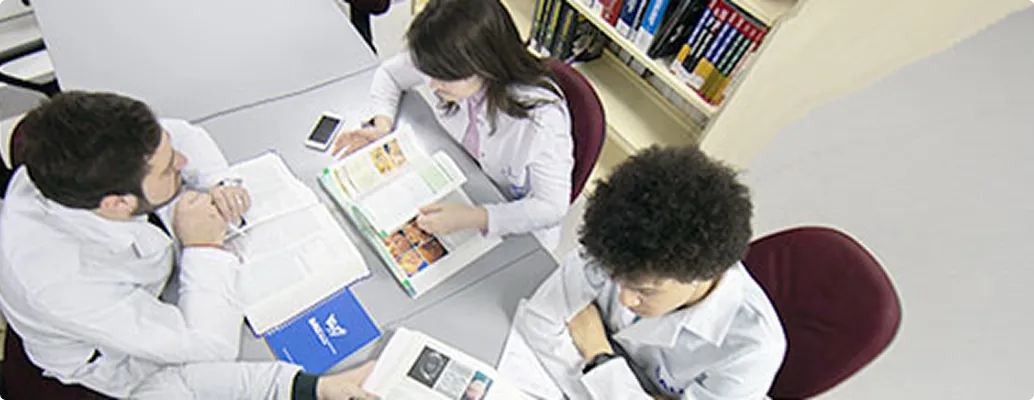
Seminars encourage active learning through discussions, group activities, and case reviews. Students analyse topics, ask questions, and deepen understanding through interaction.

Presentation

Students prepare and deliver individual or group presentations on medical topics. This method strengthens communication skills, confidence, and clinical reasoning.

Problem-Based Learning (PBL)

Seminars encourage active learning through discussions, group activities, and case reviews. Students analyse topics, ask questions, and deepen understanding through interaction.

Case-Based Learning (CBL)

Clinical cases are analysed to connect theory with real patient scenarios. Students practise diagnosis, investigation planning, and treatment strategies.

Laboratory Work

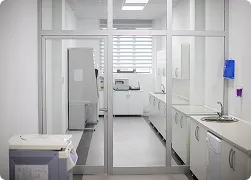
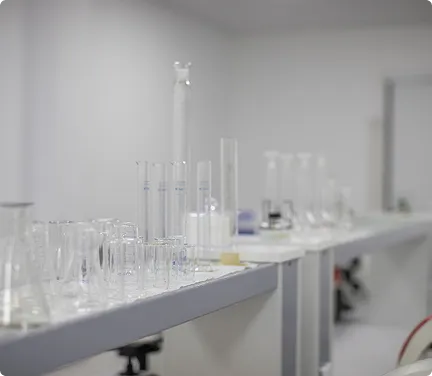
Laboratory sessions support learning through hands-on experience in anatomy, pathology, microbiology, and biochemistry. Students develop technical and analytical skills.

Teaching in a Simulation Environment

Simulation training uses mannequins, models, and clinical scenarios to practise procedures safely. This helps students build confidence before patient interaction.

Teaching in a Clinical Environment

Clinical teaching takes place in affiliated hospitals. Students observe and participate in patient care, bedside learning, and clinical rotations under supervision.

learning-approach-banner

Evaluation System

The MBBS programme uses a combination of written, oral, and practical assessments to evaluate students’ knowledge, clinical competence, and professional skills. Both formative (continuous) and summative (final) assessments are used throughout the programme to ensure consistent academic and clinical progress.

Evaluation of Practical Activity

Practical skills are assessed through structured laboratory and simulation sessions. Students perform syllabus-defined procedures using models, simulators, and medical instruments. Assessment focuses on accuracy, technique, procedural order, and safe clinical practice.

Assessment of Procedural Skills Under Direct Observations (DOPS)

DOPS evaluates a student’s ability to perform specific clinical procedures under direct supervision. Faculty assess technical skills, clinical judgement, adherence to protocols, and patient safety in simulated or real clinical settings.

Mini-Clinical Evaluation Exercise (Mini-CEX)

Mini-CEX is conducted during clinical training using real or simulated patients. Students are assessed on history taking, physical examination, communication skills, clinical reasoning, treatment planning, and professionalism.

Objective Structured Clinical Examination (OSCE)

OSCE assesses clinical competence through multiple structured stations. Students demonstrate practical skills, clinical decision-making, and patient interaction using simulated or standardised patients in a controlled environment.

Objectively Structured Practical Examination (OSPS)

OSPE evaluates practical competencies in biomedical and laboratory subjects. Students demonstrate proficiency in handling laboratory equipment, interpreting specimens, and identifying normal and pathological findings.

Continuous Final Assessment Structure

The MBBS programme uses a combination of written, oral, and practical assessments to evaluate students’ knowledge, clinical competence, and professional skills. Both formative (continuous) and summative (final) assessments are used throughout the programme to ensure consistent academic and clinical progress.

Assessment Component Description Weightage
Weekly / Ongoing Activities Written quizzes, oral questioning, PBL/CBL participation, presentations, laboratory work, and clinical activity assessments 0–40 points
Midterm / Block Test Subject-wise written and/or oral assessments conducted during the academic term to evaluate ongoing learning 0–20 points
Final Examination Comprehensive assessment defined by the course syllabus, including written, oral, OSCE, or OSPE components 0–40 points

Students Knowledge Assessment & Grading System

Score Range Grade Performance Level
91–100 A Excellent
81–90 B Very Good
71–80 C Good
61–70 D Satisfactory
51–60 E Pass
41–50 FX Fail – Eligible to reattempt examination
0–40 F Fail – Course / block must be repeated
MEMBERS

Members of The Academic Council

ire

Irene Imerlishvili

Rector

gior

Giorgi Tshkhvediani

Vice Rector

Tea Mikeladze

Tea Mikeladze

Vice Rector

FAQs About MBBS in Georgia

Frequently Asked Questions

Catch the latest campus updates, academic highlights, and important university announcements in one place.

The MBBS program is completed over 6 academic years, including classroom learning, laboratory work, simulation-based training, and clinical practice.

Yes, the program is taught in English. This helps international students understand medical subjects, communicate during clinical training, and study in a globally accessible learning environment.
The curriculum includes biomedical sciences, communication skills, clinical teaching, simulation training, research skills, elective courses, and hospital-based clinical practice. It is designed to build both theoretical knowledge and practical medical skills.

Students are assessed through written exams, oral questioning, practical activities, presentations, clinical evaluations, OSCE/OSPE-style assessments, and final examinations. This helps track academic progress, clinical competence, and professional development.