Description
Program Description (MBBS in Georgia)
The MBBS program in Georgia is designed as an integrated medical education pathway that combines core biomedical sciences with early and progressive clinical training. The program follows internationally aligned medical education standards and is delivered through a structured blend of theoretical teaching, laboratory learning, simulation-based practice, and hospital-based clinical exposure.
The curriculum is organized by organ systems and clinical relevance, helping students connect basic science concepts with real patient scenarios. Learning progresses from foundational subjects to advanced clinical disciplines, with each semester building on the previous one through carefully planned prerequisites. This ensures students develop strong medical understanding step-by-step, rather than studying topics in isolation. Clinical training is introduced early and increases steadily as students move through the program . Students gain experience in history taking, patient interaction, diagnostics, and clinical reasoning under supervision in affiliated hospitals. Teaching includes interactive lectures, small-group sessions, practical labs, case discussions, and competency-based assessments.
The program places strong emphasis on developing professional competencies, including ethical practice, communication skills, teamwork, critical thinking, and decision-making. By graduation, students are equipped with the academic knowledge and clinical confidence needed for medical licensing examinations and further training pathways, subject to the regulations of the country where they wish to practise.
Biomedical Component
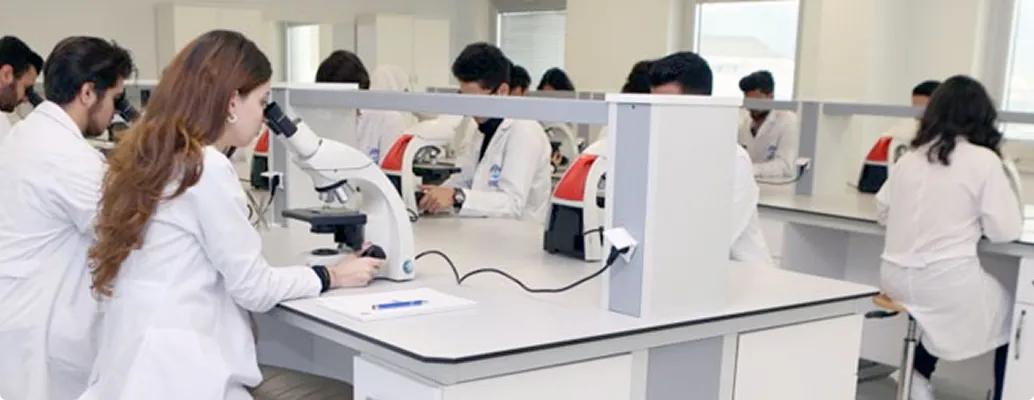
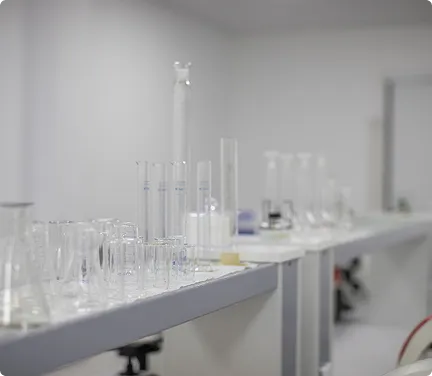
The biomedical component forms the foundation of the MBBS program and is primarily covered in the early academic years. It includes essential medical science subjects such as anatomy, physiology, biochemistry, pathology, microbiology, pharmacology, radiology basics, and clinical skills training. These subjects are taught in an integrated manner and aligned with organ systems so students can understand how the human body functions in health and disease. Practical learning takes place through anatomy labs, microscope-based learning, laboratory experiments, simulation sessions, and structured case-based discussions—an approach ideal for students planning to study MBBS in Georgia.
From the second year onwards, students begin linking biomedical knowledge with disease processes through pathology and microbiology-based learning supported by clinical correlations. As students progress into later years, the focus gradually shifts towards clinical disciplines, where biomedical concepts remain embedded into clinical decision-making and diagnostics. This approach ensures students do not just memorise concepts but learn to apply biomedical science in real clinical settings, building a stronger base for clinical rotations and future medical practice while pursuing MBBS in Georgia.
Communication Skills
Communication skills are an essential part of medical education and are integrated throughout the MBBS program in Georgia. From the first academic year, students are introduced to structured communication training through foundational courses that focus on medical communication, ethics, and professional behaviour. These modules help students develop effective verbal and written communication skills required to interact with patients, peers, and healthcare professionals—an important requirement when you study MBBS in Georgia.
During the initial years, learning is supported through role-playing exercises, simulated patient interactions, case discussions, and academic writing tasks. Students learn how to communicate clearly and work collaboratively within a medical team. These activities are designed to strengthen interpersonal and behavioural communication skills early in the MBBS in Georgia curriculum.
From the third year onwards, communication training becomes more clinically focused as students enter hospital rotations. They are trained in patient history taking, doctor-patient interaction, informed consent, and breaking sensitive information under supervision in real clinical settings. These skills are developed alongside clinical instruction, ensuring students gain confidence in patient care and decision-making.
Their communication abilities are continuously evaluated through regular patient interaction, case presentations, and clinical assessments. This progressive training ensures graduates are confident, compassionate, and effective medical professionals, well prepared for clinical practice after completing an MBBS in Georgia.

Teaching & Simulation Enviroment
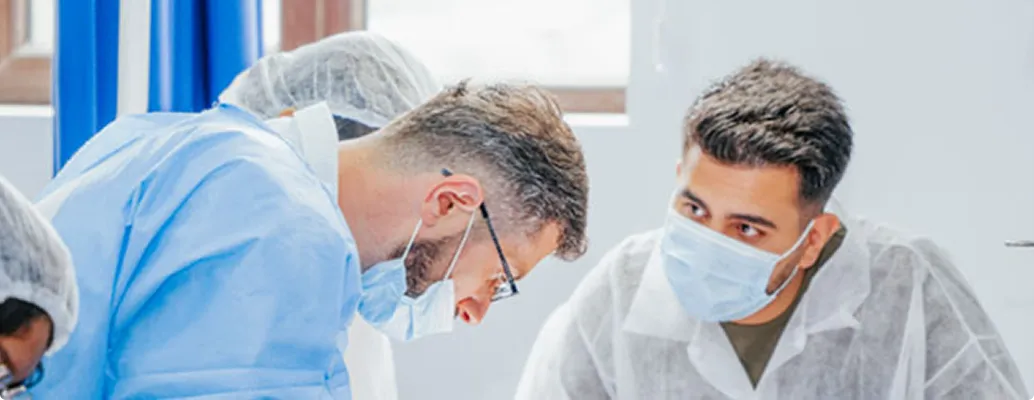
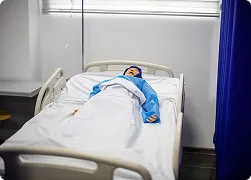
Simulation-based teaching is a core part of the MBBS program in Georgia and begins early in the first year. Students develop essential clinical and practical skills in a safe, supervised setting before working with real patients. Training takes place in dedicated clinical skills and simulation centres using anatomical models, medical manikins, and scenario-based simulations. From the initial semesters, students practise core skills such as basic examination techniques, vital sign assessment, communication in clinical settings, and structured patient evaluation. As the program progresses, simulation sessions become more advanced and include emergency response drills, procedural training, and OSCE-style practice, helping students build confidence and accuracy.
By the clinical years, simulation supports hospital learning by strengthening clinical decision-making, teamwork, and patient safety. This structured approach prepares students to enter clinical rotations with stronger competence, ensuring they can perform key skills responsibly under clinical supervision.
Clinical Teaching
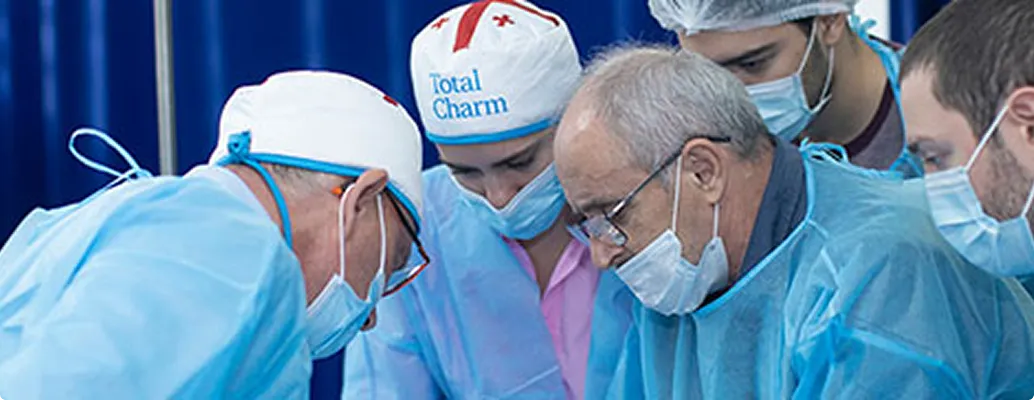
Clinical teaching is a continuous and integral part of the MBBS program in Georgia and begins from the early stages of medical training. Clinical exposure is gradually introduced alongside theoretical learning, allowing students to become familiar with hospital environments, medical teams, and patient care settings from the initial semesters. Clinical competencies are developed progressively through structured clinical modules, practical demonstrations, and supervised patient interactions. Students participate in clinical observations, bedside teaching, and hands-on practice during hospital rotations, ensuring that theoretical knowledge is effectively applied in real medical situations.
As students advance through the program , clinical training intensifies through core clinical disciplines such as internal medicine, surgery, paediatrics, obstetrics and gynaecology, psychiatry, and emergency medicine. Clinical rotations are organized in a systematic manner, enabling students to gain experience across multiple specialties while working directly with patients under faculty supervision. The final year of the MBBS program is primarily dedicated to full-time clinical practice. During this phase, students consolidate their clinical skills, enhance decision-making abilities, and develop professional confidence by actively participating in patient management within hospital settings. This structured approach ensures graduates are well prepared for medical licensing examinations and future clinical responsibilities.
Formation of Scientific-Research Skills
Scientific research and evidence-based practice are integral components of the MBBS program in Georgia. Students who study MBBS in Georgia are gradually introduced to research skills through subjects such as medical communication, academic writing, research methodology, biostatistics, epidemiology, and preventive medicine from the early academic years. Students learn how to analyse scientific literature, interpret research data, and apply evidence-based principles to clinical decision-making.
As the program progresses, students develop competencies in research planning, data collection, analysis, and scientific reporting. In the advanced years of study, students participate in supervised research projects, where they apply research methodologies in real academic or clinical settings. These projects help students strengthen critical thinking, scientific reasoning, and presentation skills, preparing them for postgraduate studies, clinical research, and academic careers in medicine while pursuing MBBS in Georgia.
III
Year
Core clinical exposure begins. Theory blends with simulation and early hospital observation. Focus stays on fundamentals.
IV Year
Hospital-based learning increases. Students practise history taking and examinations. Focus stays on clinical reasoning.
V Year
Specialty rotations expand. Students gain deeper supervised clinical experience. Focus stays on decision-making.
VI Year
Full-time clinical practice dominates. Students handle real cases under supervision. Focus stays on readiness.
Clinical Practice
Clinical practice in the MBBS program in Georgia is conducted during the advanced semesters and focuses on applying theoretical knowledge and simulation-based training in real hospital settings. Students receive structured clinical exposure across major medical disciplines, including internal medicine, general surgery, paediatrics, obstetrics and gynaecology, psychiatry, emergency medicine, and family medicine. Clinical training is delivered through supervised hospital rotations, where students actively participate in patient care, clinical examinations, and medical team discussions. This hands-on approach strengthens clinical reasoning, decision-making, and professional responsibility while ensuring patient safety.
By the final stages of the program , students work closely with experienced physicians in real clinical environments, allowing them to consolidate their skills, adapt to clinical workflows, and prepare confidently for medical licensing examinations and internship training.
Formation of Scientific-Research Skills
The MBBS program in Georgia uses a student portfolio to track academic progress, clinical skills, and professional development. It supports regular feedback, reflection, and continuous improvement throughout the course.
1. Academic and extracurricular achievements
2. Clinical case presentations during rotations
3. Self-assessment and faculty evaluation with development planning
Optional Component
Along with core MBBS subjects, students can choose elective modules to broaden knowledge and skills. For international students, basic local language support may be included to help communicate during clinical training, while teaching remains in English.